
June 10, 2026
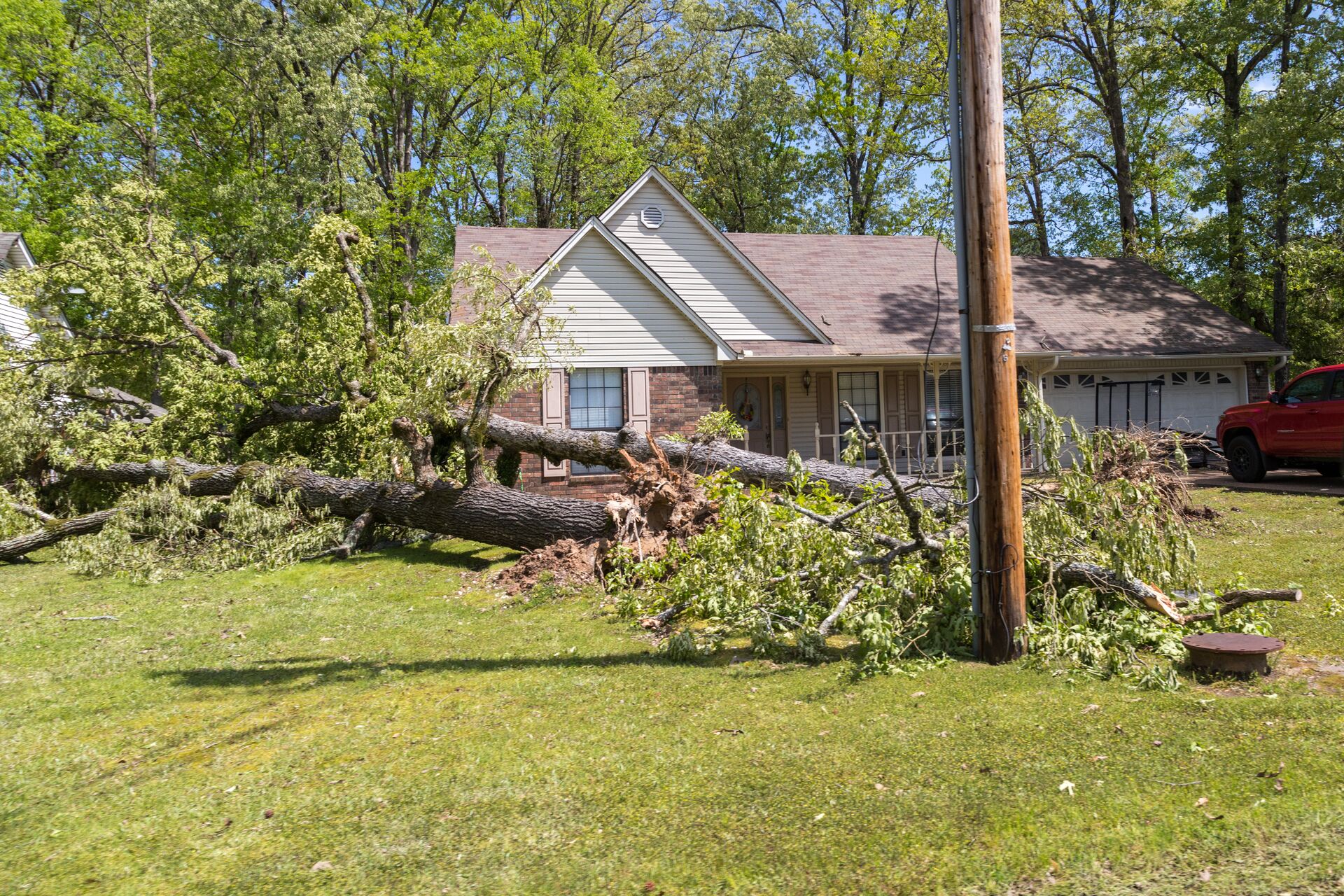
After a windy day, most homeowners do a quick glance at their roof from the ground and look for anything obvious. If shingles are missing, it is easy to assume there is a problem. But what many people miss is that some of the most important wind damage is not as visible. Shingle creasing can be just as serious as missing shingles, and in some cases even more deceptive.
Knowing the difference between these two types of damage can help you take action sooner and avoid bigger issues down the road.
What Happens to Shingles in High Winds
Shingles are designed to lie flat and seal tightly against the roof. When strong wind moves across the surface, it can lift the edges of shingles. If the wind is strong enough, it breaks the seal that holds the shingle in place.
Once that seal is compromised, the shingle becomes vulnerable. It may settle back into place and look normal from the ground, but the internal structure may already be damaged. This is where creasing often begins.
In more severe cases, wind can tear shingles completely off the roof, exposing the underlayment or roof deck beneath.
What Are Missing Shingles?
Missing shingles are the easiest type of wind damage to spot. Sections of the roof may appear bare, with darker areas where shingles used to be. You might also find pieces of shingles on the ground around your home.
When shingles are gone, your roof is immediately exposed to the elements. Water can reach the underlayment quickly, and if the problem is not addressed, it can work its way deeper into the structure. Missing shingles should always be treated as a priority repair because they leave the roof unprotected.
While this type of damage is obvious, it is not the only concern after a wind event.
What Is Shingle Creasing?
Creasing happens when a shingle is lifted by the wind and then bent or folded as it is pushed back down. This creates a horizontal or diagonal line across the shingle where the material has weakened.
At first glance, creased shingles may not look alarming. They often remain in place and continue to cover the roof. However, the crease indicates that the shingle has lost its structural strength. Over time, that weakened area can crack, tear, or allow water to seep through.
Creased shingles are often overlooked because they are harder to see without getting on the roof. That is why they can lead to problems that seem to appear unexpectedly weeks or months later.
Why Creasing Can Be Just as Serious
It is easy to assume that a missing shingle is worse than a damaged one that is still attached. In reality, creased shingles can be just as problematic because the damage is not always addressed right away.
A creased shingle may continue to deteriorate with each change in temperature. As the roof expands and contracts, the weakened area becomes more brittle. Eventually, it may split open or lose granules, reducing its ability to shed water.
Because the damage is less visible, homeowners may not realize there is an issue until leaks develop. By that point, the repair may be more extensive than if the problem had been caught early.
How to Spot the Difference
From the ground, missing shingles are usually easy to identify. Look for uneven areas, exposed sections, or color differences across the roof.
Creasing is more difficult to detect without a closer inspection. Some signs that may point to creasing include shingles that look slightly lifted, uneven lines across the roof surface, or areas where the texture appears different.
If your home has experienced strong winds recently, it is a good idea to have the roof inspected even if everything looks intact. A trained eye can identify subtle damage that is easy to miss.
What Happens if Damage is Ignored?
Ignoring either type of wind damage can lead to bigger concerns over time. Missing shingles allow immediate water entry, which can damage underlayment, decking, and interior spaces.
Creased shingles, on the other hand, create a delayed problem. They may hold up for a while, but eventually fail and allow moisture in. This can result in hidden leaks that affect insulation, ceilings, and even structural components.
Addressing both types of damage early helps maintain the overall condition of the roof and prevents more costly repairs later.
Repair vs. Replacement Considerations
The right solution depends on the extent of the damage. If only a few shingles are missing or creased, targeted repairs may be enough to restore the roof.
However, if wind damage is widespread, a larger repair or even a full replacement may be worth considering. When many shingles have lost their seal or show signs of creasing, the roof may no longer provide reliable protection.
A professional inspection helps determine whether a repair will be sufficient or if a more comprehensive solution is needed.
Why Professional Inspections Matter After Wind Events
Even if your roof appears fine after a storm, it is still possible that hidden damage exists. Roofing professionals know where to look and how to evaluate the condition of shingles, seals, and underlying materials.
An inspection provides clarity and helps you make informed decisions about next steps. It also creates documentation that may be useful if you need to address damage through insurance.
Having your roof checked after strong winds is one of the simplest ways to protect your home.
Take the Next Step to Protect Your Roof
If your home has recently experienced high winds or you are unsure about the condition of your shingles, it is worth getting a professional opinion. The team at Alpha Omega Construction Group, Inc. can assess your roof, identify both visible and hidden damage, and recommend the right solution to keep your home protected.
Contact us today to schedule an inspection and make sure your roof is ready to handle whatever comes next.


Trusted by some of the biggest names in the business!


