

June 10, 2026
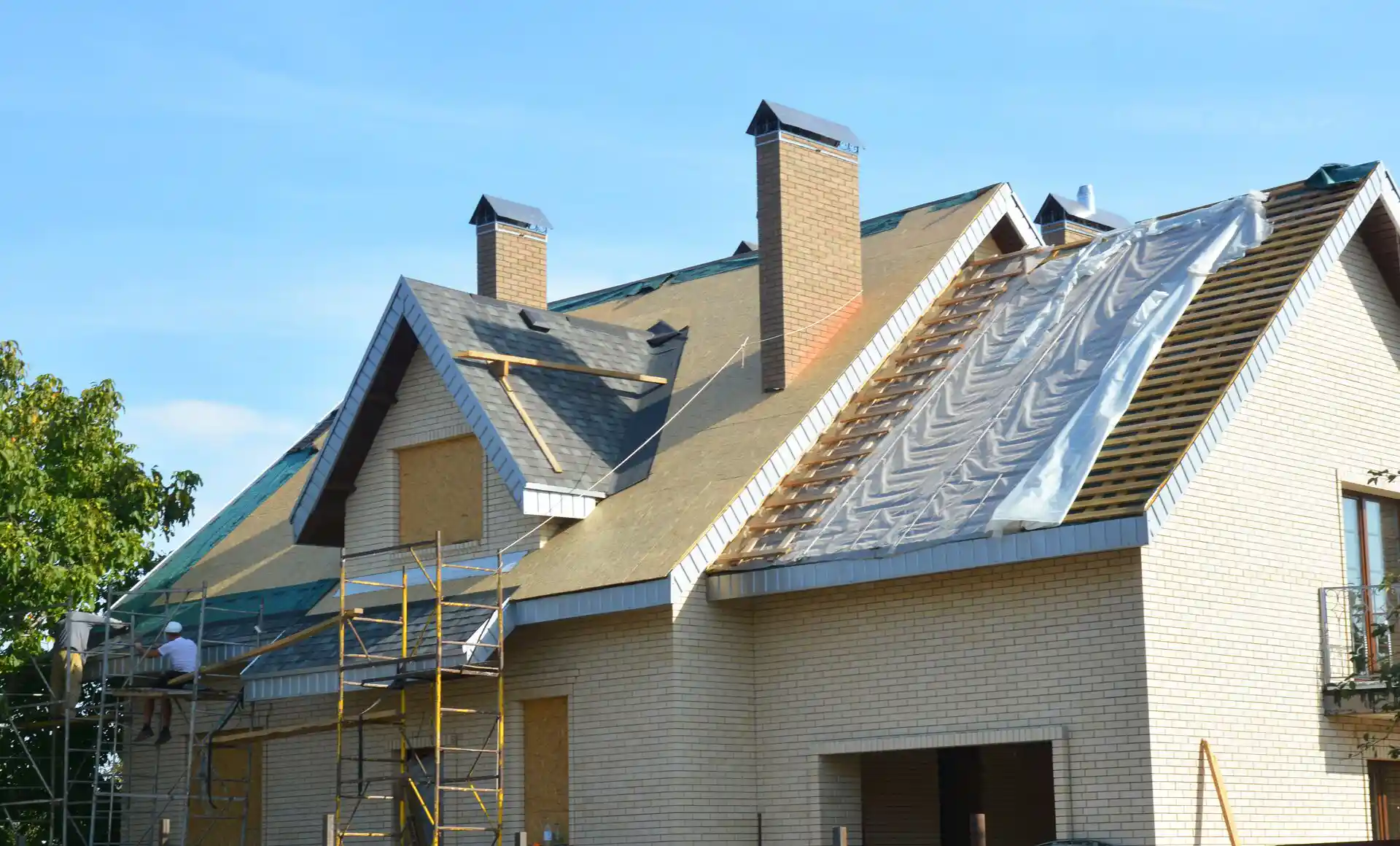
When people think about a roof, shingles usually get all the attention. They are the most visible part, after all. But what really protects your home from water intrusion often lies underneath. One of the most important hidden components is ice and water shield. If you have ever wondered where it should go or why it matters, you are not alone.
This protective layer plays a major role in preventing leaks, especially in areas where water tends to collect or back up. Knowing where it belongs can make a big difference in how well your roof performs over time.
What is Ice and Water Shield?
Ice and water shield is a self-adhering, waterproof membrane installed beneath roofing materials. Unlike traditional underlayment, it creates a tight seal around nails and fasteners. This helps block water from penetrating into the roof deck, even if it gets past the outer layer of shingles.
It is designed to handle problem areas where water exposure is more likely. Instead of relying on water to simply shed off the roof, this material adds a second layer of defense in vulnerable spots.
Why Placement Matters So Much
Not every part of a roof faces the same level of risk. Some areas are more likely to experience water buildup, slower drainage, or wind-driven rain. That is why ice and water shield is installed strategically rather than across the entire roof in most cases.
If it is placed correctly, it can stop leaks before they start. If it is skipped in key areas, even a well-installed roof can end up with moisture problems.
Eaves and Roof Edges
One of the most common places for ice and water shield is along the eaves, which are the lower edges of the roof. This is where water naturally flows and where it can sometimes back up.
In colder conditions, melting snow can refreeze near the edge and create ice dams. When this happens, water can pool and work its way under shingles. Ice and water shield helps prevent that moisture from reaching the roof deck.
Even in milder climates, this area still sees heavy water flow during rainstorms, so the added protection is valuable.
Valleys Where Roof Sections Meet
Roof valleys are another high-priority area. These are the channels where two sections of the roof meet, forming a natural path for water to travel downward.
Because valleys handle a concentrated flow of water, they are more prone to leaks if anything goes wrong. Ice and water shield is typically installed along the entire length of the valley to provide extra protection in case shingles or flashing are compromised.
Without it, even a small issue in this area can lead to significant water intrusion.
Around Roof Penetrations
Anywhere something passes through the roof surface creates a potential weak point. This includes vents, chimneys, skylights, and pipes. These penetrations rely on proper sealing and flashing to keep water out.
Ice and water shield is often installed around these areas before the flashing is added. This creates a backup barrier that helps prevent leaks if water gets past the outer seal.
Since these spots are common sources of leaks, reinforcing them is a smart move during installation.
Low-Slope Sections of the Roof
Roofs with lower slopes tend to drain water more slowly than steeper designs. This increases the chance that water will sit on the surface for longer periods.
Because of this, ice and water shield is often applied more broadly on low-slope sections. It helps protect against water infiltration when runoff is not as quick or efficient. Even small sections of low-slope roofing can benefit from this added layer.
Rakes and Wind Exposed Edges
The rake edges, or the sloped sides of the roof, can also be vulnerable, especially in areas that experience strong winds. Wind-driven rain can push water sideways under shingles, which increases the risk of leaks.
Adding ice and water shield along these edges helps guard against moisture intrusion in conditions where water is not simply flowing downward.
Full Coverage vs. Targeted Coverage
Some homeowners choose to install ice and water shield across the entire roof for maximum protection. While this is not always required, it can provide extra peace of mind in certain situations.
More commonly, it is installed in targeted areas where the risk is highest. This approach balances protection with cost while still addressing the most vulnerable parts of the roof. A roofing professional can help determine the right level of coverage based on the roof design and local conditions.
Common Installation Mistakes
Even the best materials can fail if they are not installed correctly. One common mistake is not extending the membrane far enough into key areas like valleys or eaves. Another is improper layering, which can allow water to work its way underneath.
It is also important that the surface beneath the membrane is properly prepared. If the deck is not clean and dry, the material may not adhere correctly, reducing its effectiveness. Attention to detail during installation makes a big difference in how well the system performs.
Why This Layer Is Worth the Investment
Ice and water shield may not be visible once the roof is complete, but it plays a critical role in preventing costly repairs. It acts as a safeguard against unexpected issues, whether that involves heavy rain, backed up water, or minor damage to shingles.
Homeowners who invest in proper placement often experience fewer leaks and longer lasting roof performance. It is one of those components that quietly does its job year after year.
Protect Your Roof the Right Way
If you are planning a roof replacement or want to make sure your current roof is properly protected, it’s important to take a closer look at what is happening beneath the surface. The team at Alpha Omega Construction Group, Inc. can evaluate your roof, explain where ice and water shield should be installed, and ensure every vulnerable area is covered.
Contact us today to schedule a consultation and take a proactive step toward a stronger, more reliable roofing system.


Trusted by some of the biggest names in the business!


