
February 2, 2026
Your roof is one of the most important parts of your home, yet it is also one of the easiest to overlook. Because it is designed to withstand the elements, many homeowners assume it does not need attention unless a leak appears. In reality, routine roof inspections are essential for preventing costly damage and extending the life of your residential roofing system. For homeowners in Atlanta, understanding how often to schedule roof inspections can make a significant difference in long-term maintenance and repair costs.
Why Roof Inspections Matter
A roof inspection is a proactive way to identify minor issues before they turn into major problems. Small concerns such as loose shingles, worn flashing, or clogged drainage systems can go unnoticed from the ground. Over time, these issues may allow moisture to enter the home, leading to interior damage, mold growth, and structural concerns.
Regular inspections help ensure that your roof remains watertight, secure, and able to perform as designed. They also provide documentation of roof condition, which can be helpful for insurance claims or future home sales.
The Impact of Atlanta Weather on Roofs
Atlanta experiences a wide range of weather conditions throughout the year. Hot summers, heavy rainfall, strong thunderstorms, and occasional winter freezes all place stress on roofing materials. High humidity can contribute to algae growth and moisture retention, while temperature fluctuations can cause roofing materials to expand and contract.
Storm season is another important factor. Wind-driven rain, hail, and falling debris can damage shingles or flashing without creating immediate leaks. These hidden issues often worsen over time if they are not identified early through inspections.
Because of these conditions, Atlanta homeowners benefit from a more consistent roof inspection schedule compared to areas with milder climates.
How Often Should You Schedule a Roof Inspection
For most homes in Atlanta, a professional roof inspection should be scheduled at least once per year. Annual inspections allow roofing professionals to assess overall condition, identify early signs of wear, and recommend maintenance before damage spreads.
In addition to an annual inspection, it is wise to schedule an inspection after major weather events. Severe storms, high winds, or hail can cause damage that is not visible from the ground. An inspection following these events helps ensure that your roof did not sustain hidden issues that could lead to leaks later.
Homeowners with older roofs may benefit from more frequent inspections. As roofing materials age, they become more vulnerable to damage. A roof that is approaching the end of its expected lifespan should be inspected twice per year to closely monitor its condition.
Inspections for Newer Roofs
Even newer roofs require regular inspections. While a new roof is less likely to have major problems, inspections help confirm that materials are settling correctly and that installation components remain intact. Flashing, sealants, and ventilation systems still need to be checked to ensure proper performance.
Routine inspections also help protect manufacturer warranties. Many warranties require regular inspections and proper maintenance to remain valid. Keeping records of professional inspections ensures compliance and peace of mind.
Signs That You Need an Immediate Inspection
While routine inspections are important, certain warning signs indicate the need for immediate attention. Homeowners should schedule an inspection if they notice missing or damaged shingles, water stains on ceilings or walls, sagging roof areas, or granules collecting in gutters.
In Atlanta, algae streaks or dark patches on the roof can also signal moisture-related issues. While some discoloration is cosmetic, it can sometimes point to underlying problems that deserve professional evaluation.
What Happens During a Roof Inspection
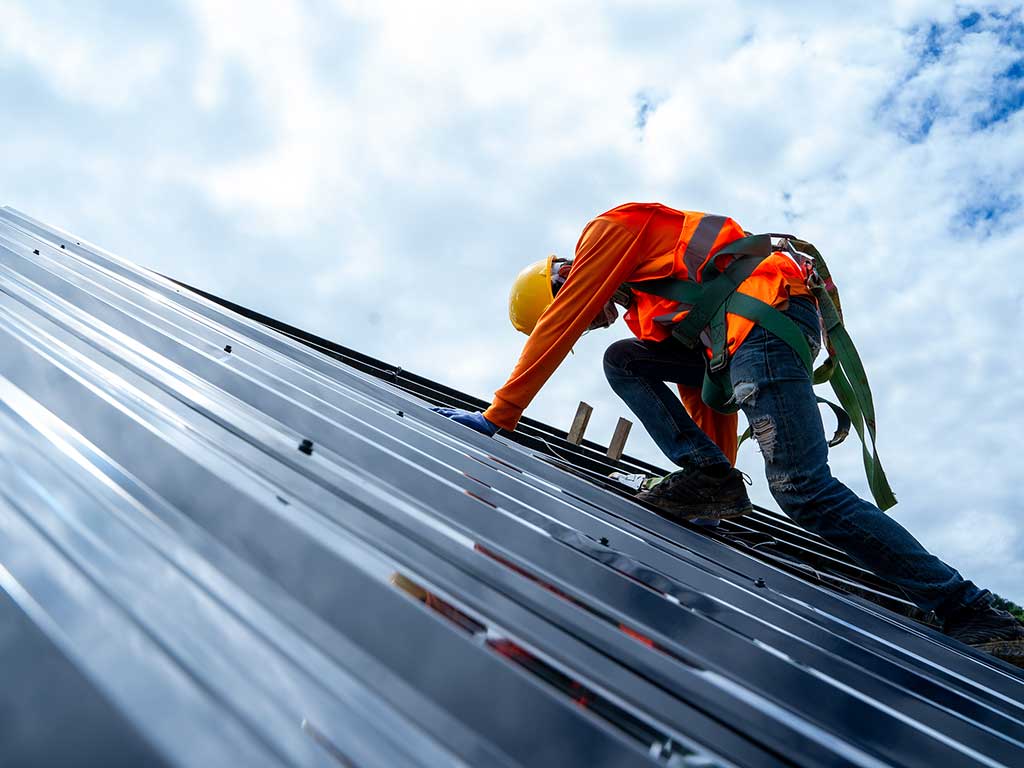
A professional roof inspection includes a thorough evaluation of all major roofing components. The inspector examines shingles or panels for damage, checks flashing around chimneys and vents, evaluates drainage systems, and looks for signs of moisture intrusion. The attic may also be inspected to assess ventilation, insulation, and potential leaks.
After the inspection, homeowners typically receive a detailed summary of findings along with recommendations for repairs or maintenance. This information helps homeowners plan ahead rather than reacting to emergencies.
Seasonal Timing for Inspections
The best times for roof inspections in Atlanta are spring and fall. Spring inspections help identify damage caused by winter weather and prepare the roof for heavy summer storms. Fall inspections ensure the roof is ready for cooler temperatures and increased rainfall.
However, inspections can be performed at any time of year if concerns arise. Scheduling inspections around seasonal changes simply provides added protection.
Long-Term Benefits of Regular Inspections
Consistent roof inspections offer long-term benefits that go beyond preventing leaks. They help extend the lifespan of roofing materials, reduce unexpected repair costs, and maintain the overall value of your home. Inspections also give homeowners confidence that their roof is performing as it should.
In a climate like Atlanta’s, where weather conditions can change quickly, staying ahead of roof maintenance is a smart investment.
Creating a Roof Inspection Plan
The best approach is to establish a regular inspection schedule with a trusted roofing professional. Annual inspections combined with post-storm evaluations provide strong protection for most homes. Homeowners with older roofs or a history of roofing issues may choose more frequent inspections for added peace of mind.
By making roof inspections part of your routine home maintenance plan, you reduce the risk of surprise damage and protect one of your home’s most valuable assets. Regular inspections help ensure that your roof remains strong, reliable, and ready to handle Atlanta’s changing weather year after year.
Ready to schedule a roof inspection for your home? If so, contact Alpha Omega Construction Group today to get started.


Trusted by some of the biggest names in the business!


