
August 17, 2026
Summer heat can be tough on any roofing system, especially across the Southeast, where high temperatures, intense sunlight, and humidity place constant stress on roofing materials. Whether you own a home or commercial building, understanding how different roof designs perform in hot weather can help you make more informed decisions about maintenance, repairs, or future replacement.
A common question property owners ask is whether a flat roof or a pitched roof holds up better during the summer months. The answer depends on several factors, including the building's design, roofing materials, drainage, and long-term maintenance. In this blog, the experts at Alpha Omega Construction Group compare flat and pitched roofs to explain how each performs in hot weather and what to consider when choosing the right roofing system for your property.
How Summer Heat Affects Any Roofing System
Before comparing roof styles, it's important to understand how heat impacts roofing materials in general.
During the summer, roof surfaces can become significantly hotter than the surrounding air. Constant exposure to ultraviolet (UV) rays and high temperatures causes roofing materials to expand during the day and contract as temperatures cool overnight. Over time, this repeated cycle contributes to normal wear and aging.
Heat can also affect sealants, flashing, underlayment, and other roofing components. Without proper ventilation, insulation, or routine maintenance, excessive heat may shorten the lifespan of many roofing systems.
How Pitched Roofs Perform in Summer Heat
Pitched roofs are commonly found on residential properties throughout the Southeast. Their sloped design provides several advantages during hot weather.
One of the biggest benefits is improved water drainage. Summer thunderstorms often produce heavy rainfall, and a pitched roof naturally sheds water more efficiently than a flat roof. Faster drainage reduces the amount of standing water that remains on the roof after storms.
The design also promotes better airflow beneath the roof through attic ventilation systems. Proper ventilation helps reduce heat buildup inside the attic, improving energy efficiency and reducing stress on roofing materials.
Depending on the roofing material, pitched roofs can also reflect more sunlight. Modern asphalt shingles, metal roofing, clay tile, and other roofing products are available with reflective technologies that help reduce heat absorption.
How Flat Roofs Perform in Summer Heat
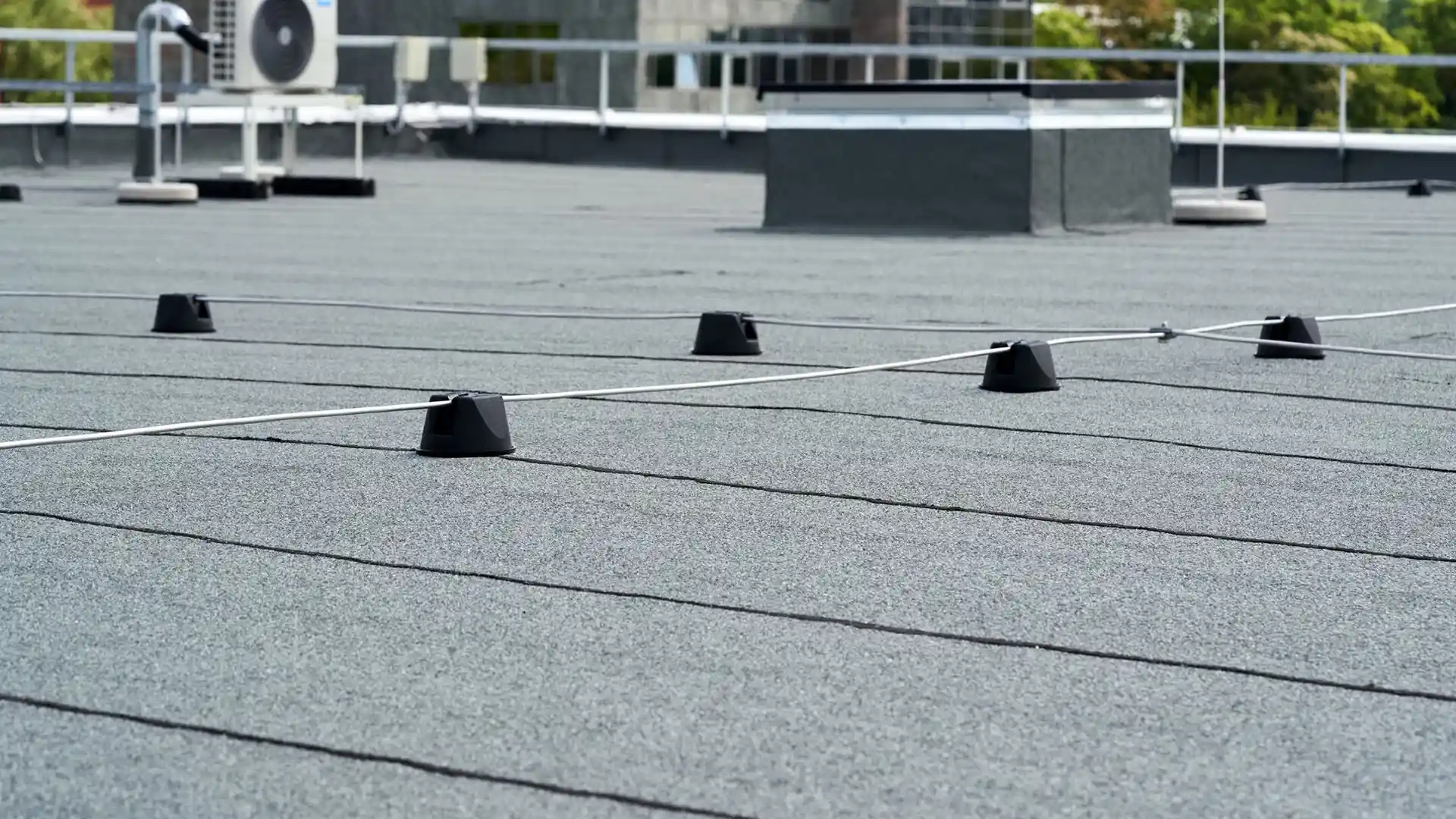
Flat roofs are most commonly installed on commercial buildings, multifamily properties, and certain modern residential designs. While they don't shed water as quickly as pitched roofs, modern flat roofing systems are engineered to perform well in demanding climates when properly installed and maintained.
One advantage of flat roofing is easier accessibility. Routine inspections, maintenance, and repairs are generally simpler because roofing professionals can safely walk across the surface.
Many commercial flat roofing systems are also designed with reflective membranes or coatings that reduce solar heat absorption. Materials such as TPO and PVC roofing are well known for their energy-efficient performance in hot climates.
However, flat roofs require excellent drainage. Even slight drainage problems can allow water to pond after heavy summer storms, increasing the risk of leaks or premature material deterioration if left unaddressed.
Which Roof Type Lasts Longer in Hot Climates?
Roof slope alone does not determine longevity. The quality of installation, roofing material, ventilation, drainage, and ongoing maintenance all have a greater impact on how well a roof performs over time.
A properly maintained pitched roof can provide decades of reliable performance, particularly when paired with quality materials and adequate attic ventilation.
Likewise, a professionally installed flat roofing system can also deliver an excellent service life when drainage systems remain clear and routine inspections address normal wear before it progresses.
In other words, both roof types can perform exceptionally well in the Southeast when designed and maintained correctly.
Maintenance Considerations for Flat and Pitched Roofs
Regardless of roof style, regular maintenance becomes even more important during the summer months.
For pitched roofs, maintenance often includes inspecting shingles or roofing panels, checking flashing, evaluating ventilation, and looking for storm damage caused by high winds or hail.
Flat roofs require close attention to drainage systems, roof drains, scuppers, seams, flashing, and any areas where water could collect after heavy rainfall.
Summer is often an ideal time to schedule a roof inspection because weather conditions generally allow for a thorough evaluation before peak hurricane season arrives.
Which Roof Is Better for Your Property?
Rather than asking which roof is universally better, it's more helpful to ask which roof is better suited to your specific building.
For most homes, pitched roofs remain the preferred choice because they offer excellent drainage, architectural versatility, and compatibility with a wide range of roofing materials.
For commercial buildings, flat roofing systems continue to be the industry standard because they maximize usable building space, accommodate rooftop equipment, and provide cost-effective installation for large structures.
The best roof type for a hot climate ultimately depends on selecting quality materials, ensuring proper installation, and committing to regular maintenance throughout the life of the roof.
Let Alpha Omega Construction Group Help You Choose the Right Roofing System
At Alpha Omega Construction Group, our experienced team installs, repairs, and maintains both pitched roofing systems and flat roofing systems for residential and commercial clients throughout the Southeast. We can evaluate your property's needs, explain the advantages of different roofing options, and recommend solutions designed to stand up to years of heat, humidity, and severe weather.
If you're considering a roof replacement or would like to evaluate how your current roofing system is handling the summer heat, contact Alpha Omega Construction Group to schedule a professional roof inspection. We'll help you make an informed decision that protects your property and delivers lasting performance.



Trusted by some of the biggest names in the business!


