

June 10, 2026
When severe weather hits, your roof takes the brunt of it. High winds, falling debris, and heavy rain can leave parts of your roof exposed in a matter of minutes. In situations like this, emergency roof tarping is often the first step in protecting your home from further damage.
A tarp is not a permanent fix, but it plays an important role in stabilizing the situation until proper repairs can be completed. Knowing when tarping is necessary and how it helps can make a stressful situation easier to manage.
What Is Emergency Roof Tarping?
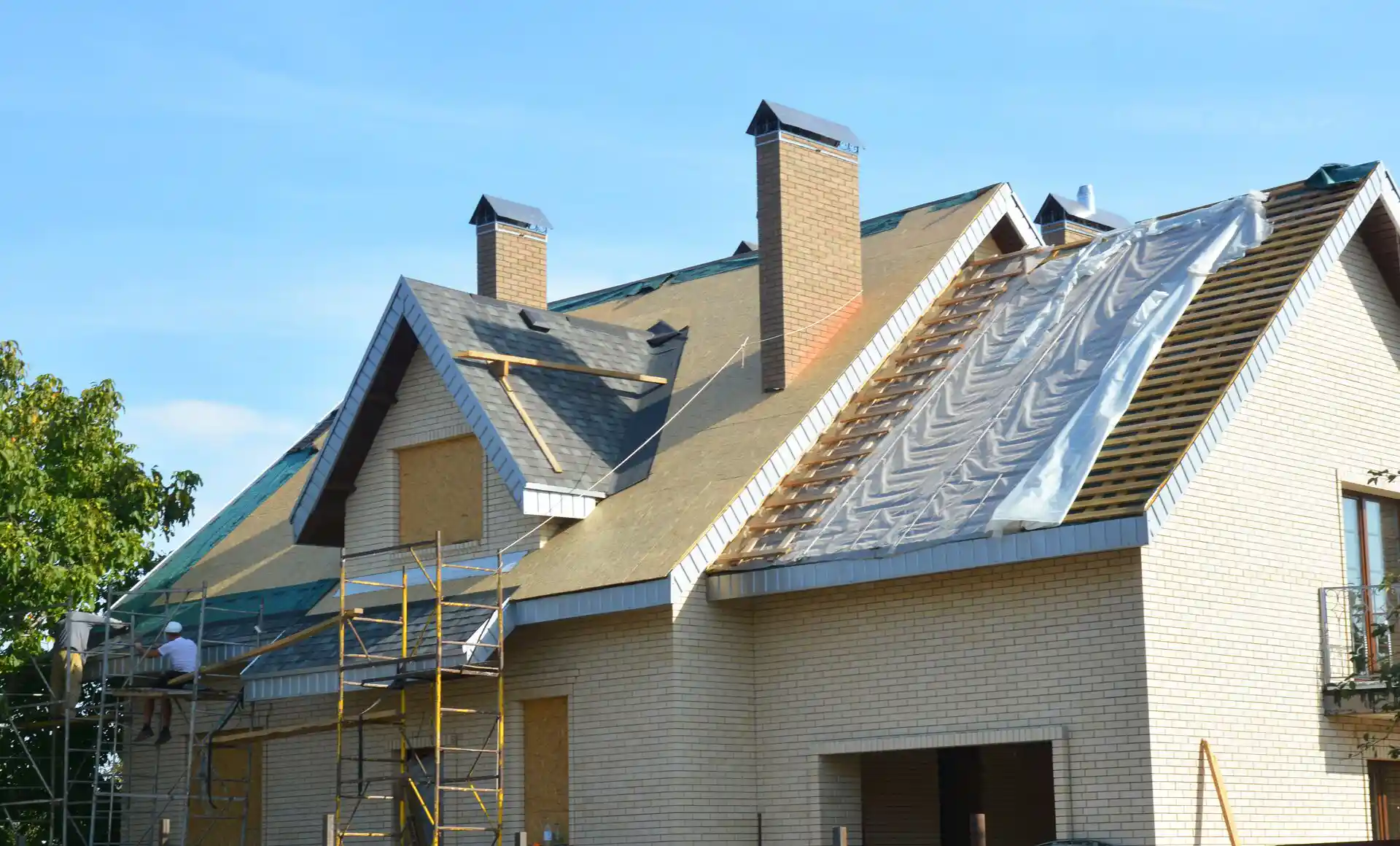
Emergency roof tarping involves placing a durable, waterproof covering over a damaged section of the roof. The tarp is secured in a way that keeps water from entering the home while minimizing additional stress on the surrounding roofing materials.
This temporary solution is typically used after a storm or sudden event that leaves the roof vulnerable. It allows homeowners to buy time while arranging for a full inspection and repair plan.
Situations Where a Tarp is Needed
Not every roofing issue requires a tarp, but there are certain situations where it becomes essential. If a section of shingles has been torn away, the underlying layers of the roof are exposed to rain and moisture. Covering that area quickly helps prevent water from entering the structure.
A tarp may also be needed if a tree limb or debris has punctured the roof. Even a small opening can allow water to seep into insulation and ceilings. In more severe cases, sections of the roof deck itself may be damaged, making immediate coverage critical.
Another scenario involves flashing or roof penetrations that have been compromised. If water can enter around vents, chimneys, or skylights, a tarp can help reduce the risk of interior damage until repairs are made.
Why Acting Quickly Matters
Time is a major factor when dealing with roof damage. Once the protective layers are compromised, even a light rain can lead to water intrusion. That moisture can spread quickly through insulation, drywall, and framing.
The longer the roof remains exposed, the greater the chance of issues such as mold growth, wood rot, and electrical concerns. Emergency tarping helps limit this exposure and reduces the scope of potential damage.
Quick action also helps preserve areas of the roof that are still intact by preventing water from spreading into unaffected sections.
What a Tarp Can and Cannot Do
A properly installed tarp is designed to keep water out temporarily. It can protect the interior of your home and reduce the risk of further damage while you arrange for permanent repairs.
However, it is important to understand that tarping is not a long-term solution. It does not restore the structural integrity of the roof or address underlying damage. It is simply a protective measure that holds things in place until repairs can be completed.
Relying on a tarp for too long can lead to additional wear or unexpected issues, so it should always be followed by a professional repair plan.
The Importance of Proper Installation
Installing a roof tarp is not as simple as laying a sheet over the damaged area. It must be secured carefully to ensure it stays in place and does not cause further damage to the roof.
Improper installation can allow water to get underneath the tarp or create additional stress points that worsen the problem. That is why it is best to have tarping handled by professionals who understand how to anchor it correctly and protect the surrounding materials. A well-installed tarp provides reliable temporary protection even during continued bad weather.
Safety Considerations
Climbing onto a damaged roof can be dangerous, especially after a storm. Wet surfaces, loose materials, and structural instability all increase the risk of injury. Homeowners should avoid attempting to install a tarp themselves unless it is absolutely necessary and conditions are safe.
Professional roofing teams have the equipment and experience needed to handle these situations safely. They can assess the extent of the damage and install a tarp without putting themselves or the property at unnecessary risk.
What Happens After the Tarp Is Installed
Once the tarp is in place, the next step is a full roof inspection. This allows roofing professionals to evaluate the extent of the damage and determine the best course of action. Depending on the situation, repairs may involve replacing shingles, repairing flashing, or addressing structural concerns.
In some cases, more extensive work may be required if the damage is widespread. The tarp provides the time needed to plan these repairs without the added pressure of ongoing water intrusion.
Peace of Mind During a Difficult Situation
Storm damage can feel overwhelming, but taking the right steps early can make a big difference. Emergency roof tarping offers immediate protection and helps prevent a bad situation from becoming worse. By covering exposed areas quickly, homeowners can reduce the impact of the damage and move forward with a clear plan for repairs.
Get Help When You Need It Most
If your roof has been damaged and needs immediate attention, it is important to act quickly. The team at Alpha Omega Construction Group, Inc. is ready to provide emergency roof tarping and professional repair solutions to protect your home. Contact Alpha Omega Construction Group, Inc. today to schedule service and get your roof back on track as soon as possible.


Trusted by some of the biggest names in the business!


